SV Maple Leaf at Heritage Harbour
SV Maple Leaf at Heritage Harbour — One Night Only
Saturday, April 18th; 5:30pm—8:30pm
In partnership with Maple Leaf Adventures and Vancouver Maritime Museum
On April 18, the Vancouver Maritime Museum welcomes the legendary SV Maple Leaf to Heritage Harbour for a rare, one-night visit.
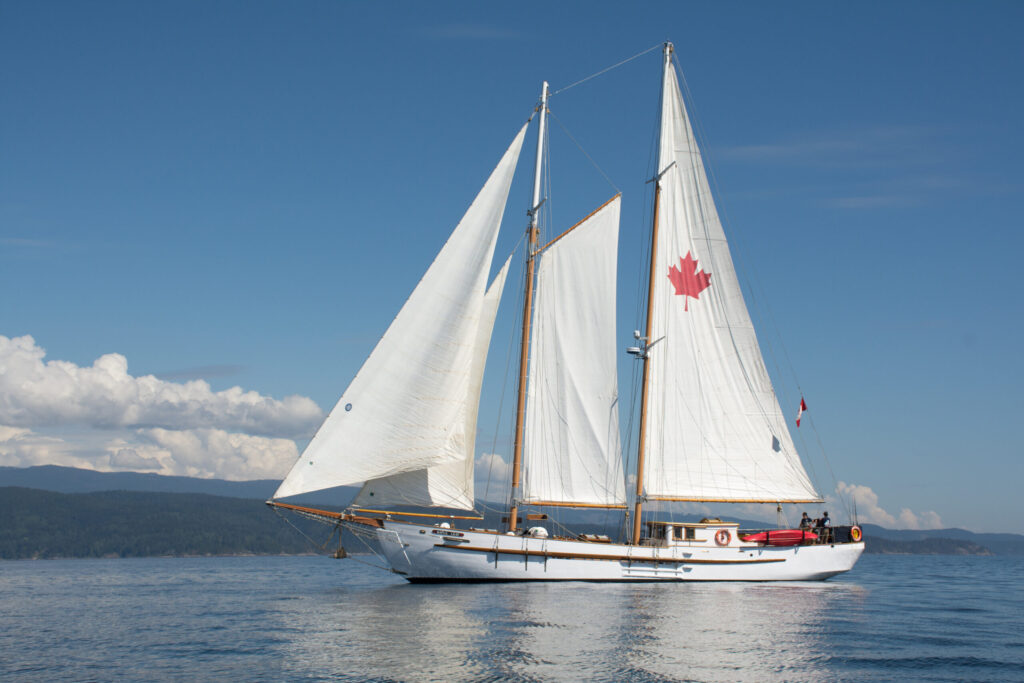
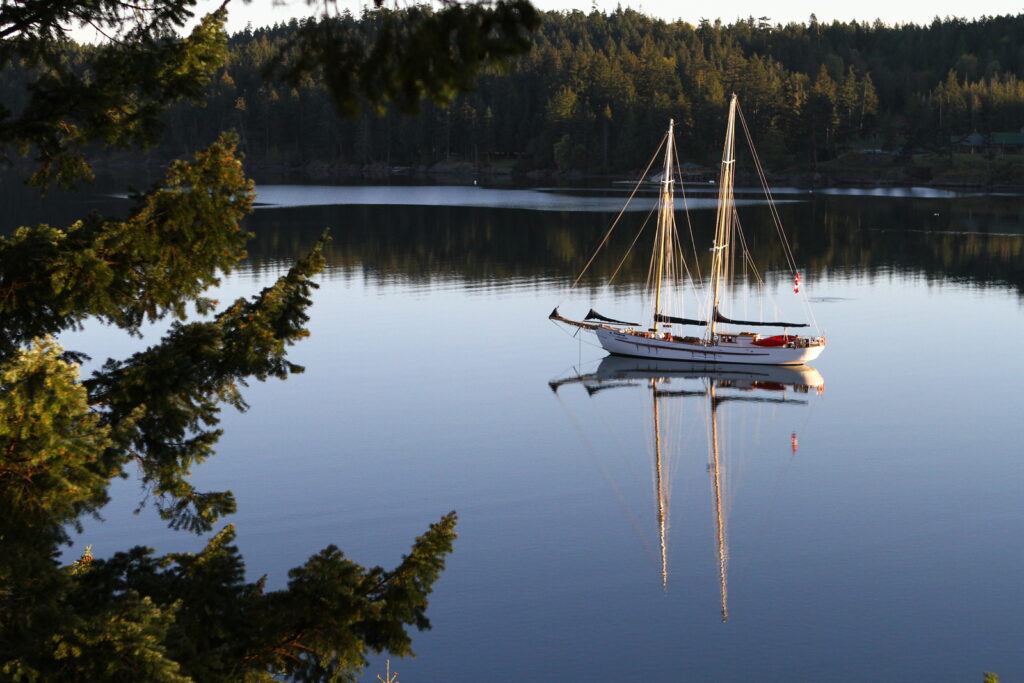
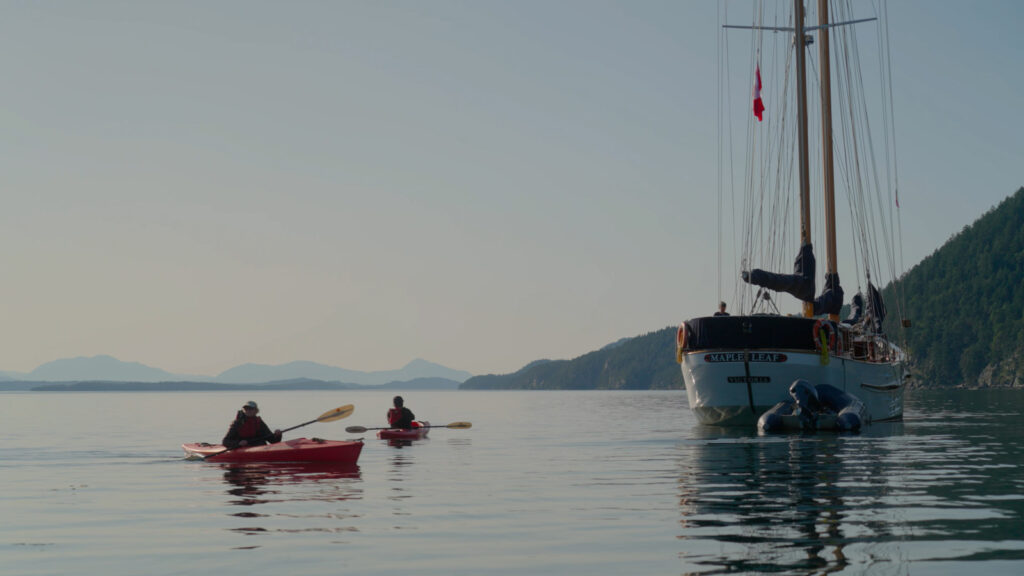
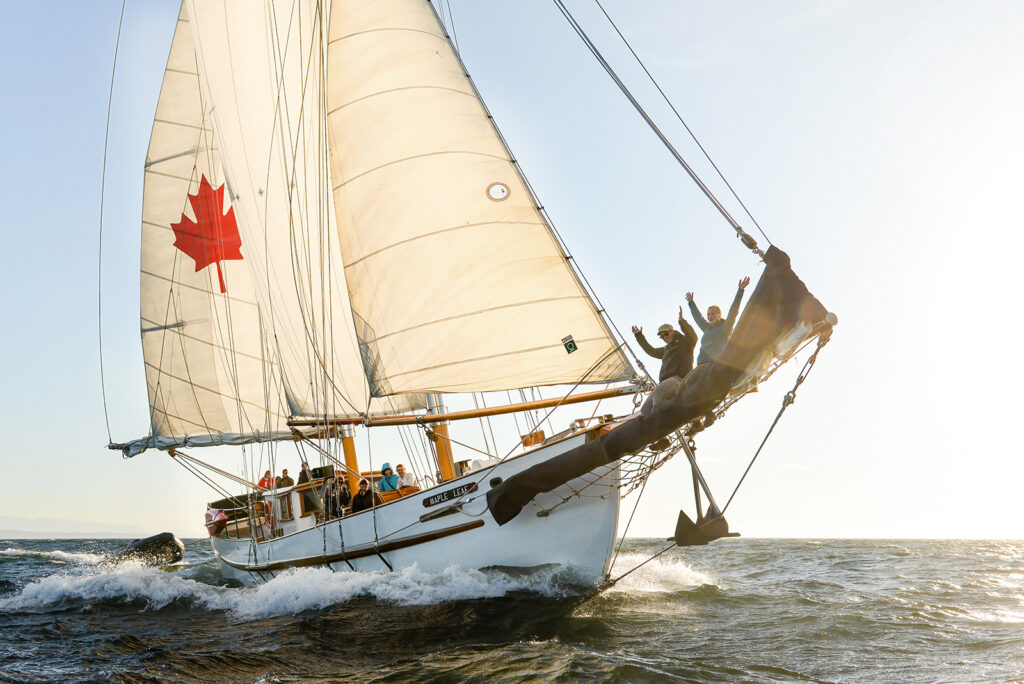
Built in 1904 in Vancouver, Maple Leaf is more than a ship—she’s a living piece of coastal history. From her early days as one of the Pacific Coast’s most luxurious racing yachts, to decades as a hardworking halibut fishing vessel in the Bering Sea, and now as a beautifully restored expedition schooner, her story spans over a century of transformation, resilience, and exploration.
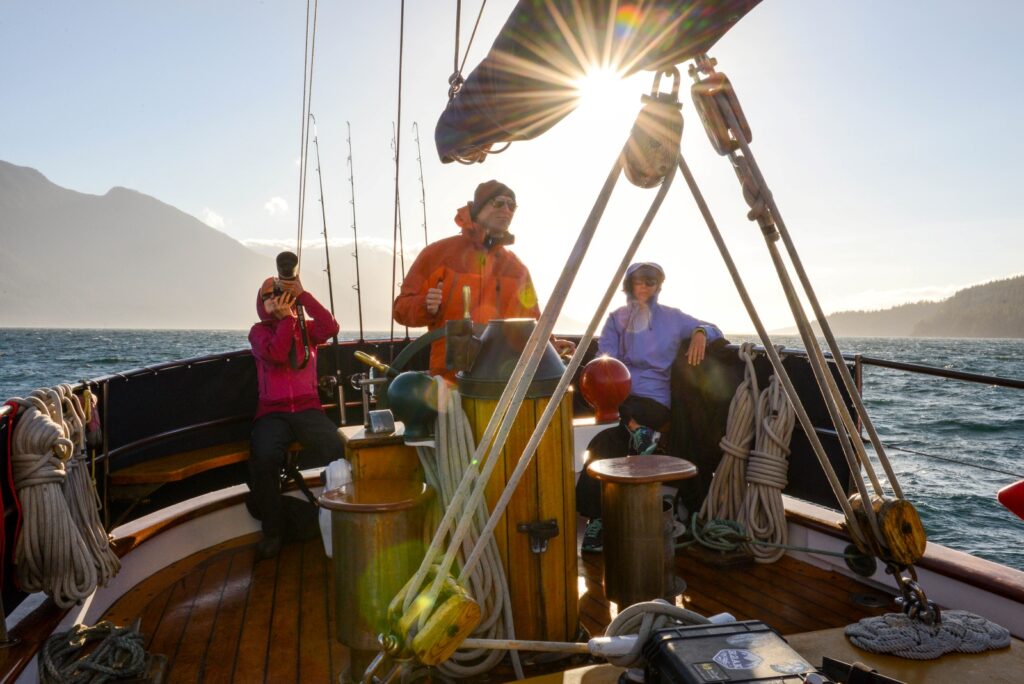
At 92 feet long, crafted from Douglas fir, yellow cedar, and mahogany, Maple Leaf blends rugged capability with remarkable craftsmanship. Today, she welcomes small groups, offering an intimate, immersive way to experience some of the wildest and most remote coastlines in British Columbia and Alaska.
For one evening only, you’re invited to experience her world—right here on Vancouver’s waterfront.
Event Schedule
Date: Saturday, April 18th
Time: 5:30 PM – 8:30 PM
Location: Heritage Harbour, Vancouver Maritime Museum
Tickets: Not Required for Dockside Engagements. Ticket Required for Evening Talk at Museum
- 5:00 PM – Maple Leaf arrives at Heritage Harbour – No ticket required, all ages welcome.
- 5:30 PM – 6:30 PM – Dockside engagements
- 6:30 PM – Museum open for refreshments
- 7:00 PM – Evening talk begins – Ticket required, 19+ Event
- 7:45 PM – Q&A
Content note: Heritage Harbour is not wheelchair accessible and has uneven surfaces.
About SV Maple Leaf
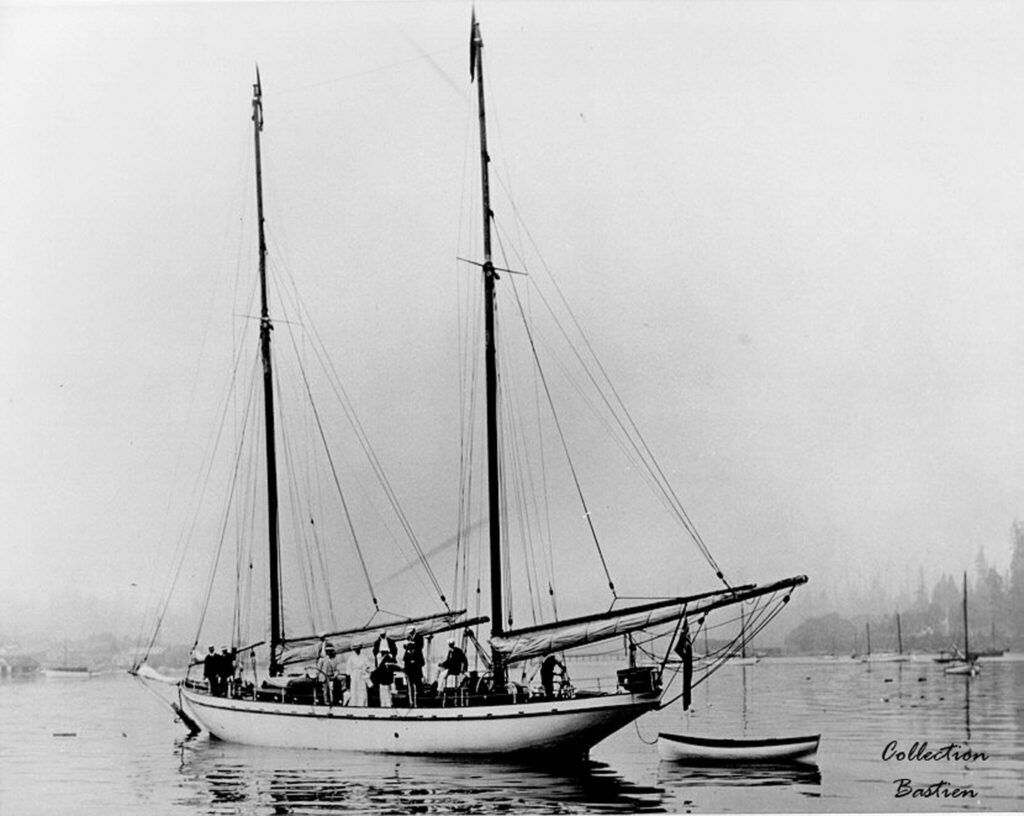
Maple Leaf’s History Chronicles Wars, Fishing and a Remarkable Rebirth Maple Leaf, BC’s historic tall ship, was built in 1904 by William Watts in Vancouver Shipyard. Initially a private yacht for Alexander Maclaren, she boasted the title of the most expensive pleasure craft on the Pacific Coast and was the first ship north of San Francisco with electric lights and an external lead keel.
She was favoured to win the first ever Trans Pacific sailing race from San Francisco in 1906. But when the San Fransisco earthquake devestated the city, the race was postponed and move to LA and the Maple Leaf never participated. So we will never know if she had been fated to become the Bluenose of the Pacific. During the First World War, her lead keel and brass were stripped for the war effort, leading to her conversion into a halibut fishing vessel. For two decades, she fished under famous fishing companies such as Gosse and Millerd and the Canadian Fishing Company.
Purchased by Harold Helland in 1938, Maple Leaf, renamed Parma, was completely rebuilt during World War II. Harold, along with a dedicated crew, fished for halibut in the Bering Sea until the mid-1970s, consistently surpassing newer vessels in performance. Harold maintained his ship in Bristol condition until his retirement in 1978, when she was sold to the Canadian Government. In 1980, Brian Falconer and Susan Tweedie restored Maple Leaf to a sailing ship, uncovering her original hull lines and re-registering her.
From 1986 to August 2001, Brian, Susan, and later Brian with partner Erin Nyhan, operated Maple Leaf Adventures, providing natural history and cultural trips along the BC and Alaska coasts. They also ran the Tall Ship Program for the Royal Canadian Sea Cadets, training over 3,000 cadets from across Canada.
Since 2001, Kevin Smith bought Maple Leaf and her eponymous company from his mentors Brian and Erin. He and partner Maureen Gordon have continued to steward the Maple Leaf and its company, adding Swell and Cascadia to the fleet. Kevin and Maple Leaf have continued her tradition of helping to protect the places of the coast, including bringing places like the Great Bear Rainforest to international media audiences. The ship continues to be meticulously maintained by her loving crew, drawing admiration at sea and alongside.